Foam mattresses are valued for their contouring comfort, pressure relief, and motion isolation, making them a popular choice for varied sleep preferences. They use viscoelastic or polyfoam layers to adapt to the sleeper’s body, supporting spinal alignment while minimizing transfer across partners. Understanding foam density and cell structure helps explain resilience and durability.
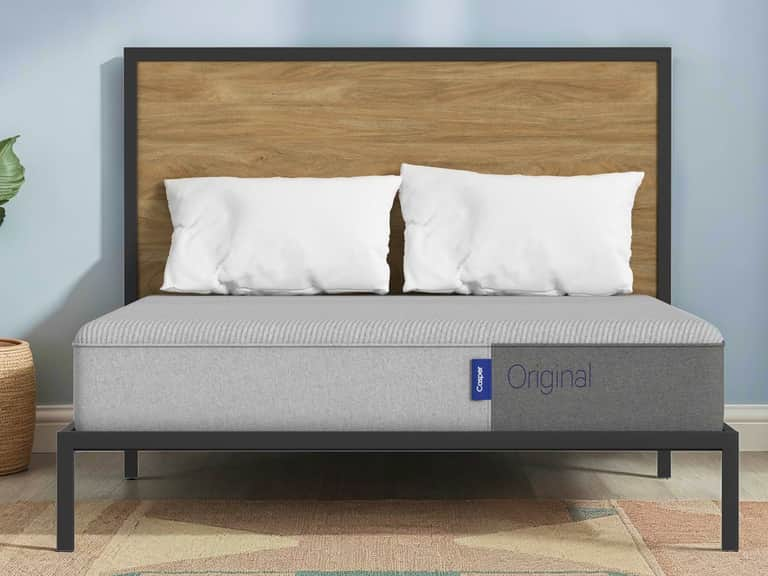
Original Mattress demonstrates the core benefits of foam construction, featuring multi-layer foams that balance support and cushioning. Key characteristics include zoned support for targeted contouring, breathable foams to enhance airflow, and durability through high-density cores. These elements contribute to consistent-night comfort and reduced sag over time.
The Element Mattress introduces advanced foam configurations designed to optimize temperature regulation and alignment. Through breathable covers and open-cell foams, it promotes air circulation, while its layered design offers tailored support for shoulder and hip relief. This model emphasizes ergonomic compatibility with diverse sleeping positions.
In foam mattress design,BUILD quality and materials influence long-term performance, including resilience, motion isolation, and edge support. Foam density, layering sequence, and cover materials all impact comfort zones and heat management. Selecting a foam mattress with appropriate firmness and conformity can support healthy sleep posture for extended periods.
For bedding ecosystems, foam mattresses complement related sleep products such as pillows, sheets, and organic mattress options. Understanding how foam interacts with moisture, temperature, and body weight informs choices for restful nights and durable performance. Keywords such as bedding, organic mattresses, and organic crib mattresses reflect broader module relevance across sleep health resources.
 Mattresses
