Wool is valued for its natural temperature regulation, moisture management, and resilience, making it a versatile material for bedding and family sleep environments. In this category, you will find information on how wool fibers wick away humidity, maintain comfortable warmth, and resist odor, contributing to a healthy sleep surface. The content emphasizes natural fibers, sustainability, and hypoallergenic properties often associated with organic wool products.
Key characteristics of wool include its crimp and loft, which create insulating air pockets that adapt to body temperature. Wool fibers are naturally resilient, helping to maintain shape and support over time. For bedding and mattresses, these properties can translate into durable comfort layers that respond to seasonal changes and varying sleep needs.
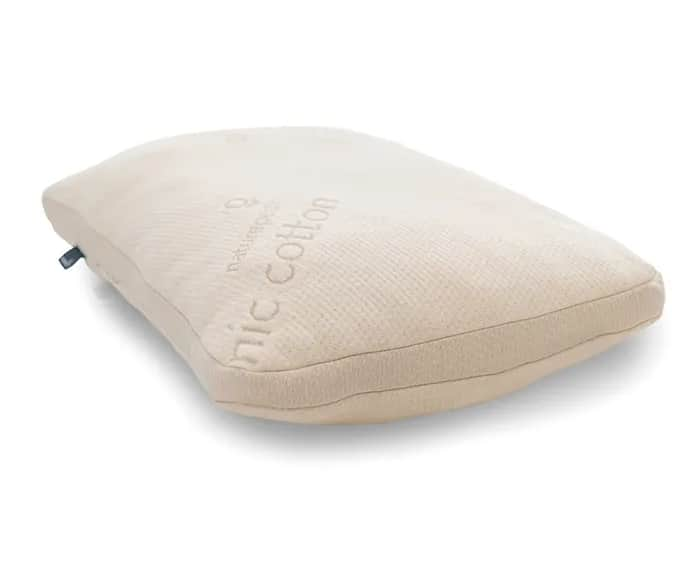
When considering Naturepedic Organic Wool Pillow, notable features include the use of organic wool fill, a breathable outer cover, and thoughtful construction to align with ergonomic support. Functional benefits cover pressure relief, temperature regulation, and moisture wicking, supporting restful sleep for diverse head and neck alignment requirements.
The role of wool in mattresses and crib mattresses centers on safety, sustainability, and comfort. Organic wool layers can contribute to a cooler sleep surface in warmer months and a warmer, cozy feel in cooler periods, while remaining breathable and resistant to dust mites. These qualities can be particularly relevant for families seeking non-toxic sleep options.
Within this domain, the interplay of literature on bedding, pillows, sheets, organic mattresses, and organic crib mattresses highlights a cohesive approach to natural sleep systems. Understanding wool's performance features—insulation, moisture management, and durability—helps in selecting products that support long-term comfort and healthful rest. Keywords such as bedding, pillows, sheets, organic mattresses, and organic crib mattresses reflect these core associations.
 Bedding