Bedroom furniture shapes how a room supports rest, storage, and everyday routines. Beds, headboards, and related furnishings influence comfort, posture, space planning, and visual balance. Understanding their materials, dimensions, and functions helps create a bedroom suited to sleep and relaxation, alongside coordinated bedding such as sheets, pillows, and duvet covers.
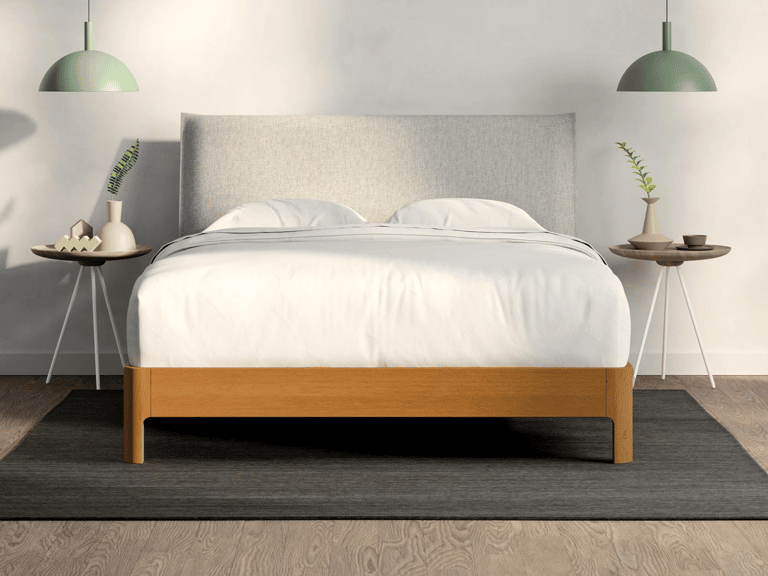
The Pillow Repose Headboard is a bedroom furnishing designed to provide a supportive surface behind the bed. Its padded form offers a comfortable place to lean while reading or resting, while the headboard also creates a defined focal point. These features can contribute to a more functional and composed sleeping area.
When assessing a headboard, consider its height, width, upholstery, and relationship to the bed frame and room layout. A well-proportioned design can help anchor the bed without obstructing circulation or nearby furniture. The Pillow Repose Headboard’s cushioned construction is particularly relevant for activities that involve sitting upright in bed.
Bedroom furnishings work alongside sleep essentials, but each has a distinct role. Bedding, including pillows, sheets, and duvet covers, provides layers for comfort and temperature regulation, while furniture supports the room’s structure and usability. Organic mattresses are another sleep-related option, valued for materials selected with attention to composition and sourcing.
Planning a bedroom involves matching furniture dimensions and functions to personal needs, available space, and preferred routines. A headboard can provide back support and visually frame the bed, while coordinated bedding completes the sleeping setup. Considering these elements together helps clarify how bedroom furniture contributes to comfort, organization, and restful use.
 Furniture